
Water is one of the most essential resources in our lives, yet it is often wasted through daily household activities. From washing dishes to brushing teeth, the amount of water used can be surprisingly high. One of the simplest yet most effective solutions to this problem is the use of aerators. These small devices, fitted onto taps and faucets, mix air with water to create a steady, splash-free stream. In doing so, aerators reduce water consumption while keeping performance intact. By investing in aerators, households and businesses can save water, lower utility bills, and contribute to a more sustainable future.
What Are Aerators and How Do They Work
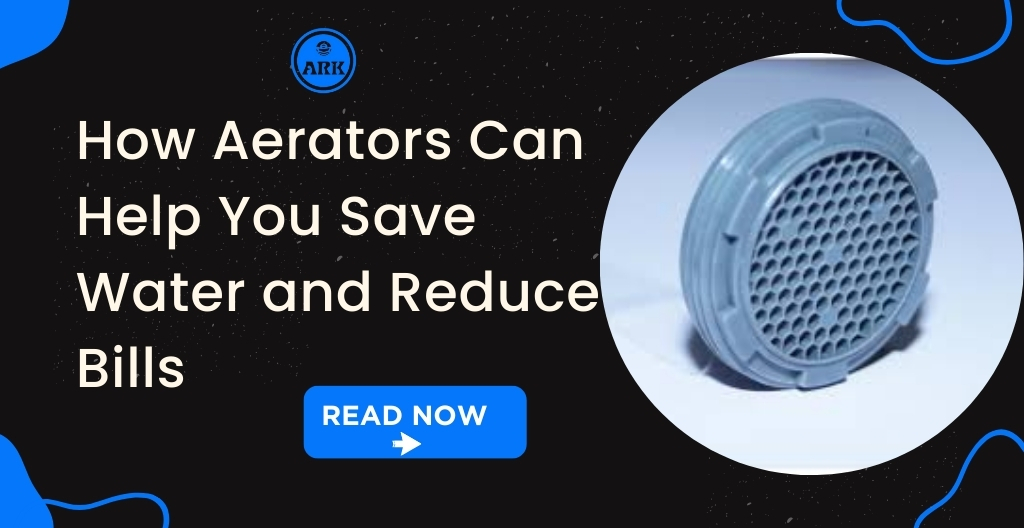
Aerators are small attachments that screw onto the tip of faucets. They contain mesh screens or honeycomb structures that mix water with air, creating a controlled stream. This process reduces the overall volume of water without reducing pressure. The result is a smooth flow that feels strong but uses far less water. Aerators come in different sizes and flow rates, making them adaptable for bathrooms, kitchens, and commercial spaces.
The Role of Aerators in Water Conservation
Every drop saved counts, and aerators play a crucial role in water conservation. A typical faucet without an aerator may use more than 10 liters of water per minute. With an aerator installed, this can be reduced to 5–6 liters or even less. For larger households, this makes a significant difference over time. By reducing wastage without sacrificing functionality, aerators allow families to maintain their daily routines while using resources more responsibly.
How Aerators Reduce Utility Bills
Saving water directly reduces water bills, but the benefits do not stop there. Less water usage also means lower energy consumption, particularly when heating water. For example, when less hot water flows through bathroom and kitchen taps, water heaters use less energy. This creates a double saving—reduced water bills and lower electricity or gas bills. Over the course of a year, households can notice substantial financial savings simply by installing aerators on their faucets.
Types of Aerators Available
There are several types of aerators suited for different needs:
- Standard aerators that provide a balanced stream for everyday use
- Pressure-compensating aerators that maintain consistent flow even when water pressure fluctuates
- Dual-mode aerators that allow switching between spray and stream functions
- Specialized aerators such as LED-indicator models that also provide safety features like showing water temperature
- Each type is designed to improve efficiency while addressing specific household requirements.
Aerators in Bathrooms
Bathrooms are among the highest water-consuming spaces in a home. Aerators installed on washbasins help reduce wastage during activities like handwashing, brushing teeth, or shaving. By controlling flow without reducing effectiveness, aerators make it easier for families to save water daily. In showers, certain aerator models create soft streams that provide comfort while limiting unnecessary flow, striking a balance between luxury and conservation.
Aerators in Kitchens
Kitchens demand high water usage for washing vegetables, cleaning utensils, and cooking. Installing aerators in kitchen faucets makes a noticeable difference in reducing water flow without compromising cleaning efficiency. Some aerators include swivel and spray options, making them practical for rinsing large dishes or covering wider sink areas. With the rising cost of utilities in 2025, these solutions are becoming essential for cost-conscious households.
Aerators in Commercial Spaces
Beyond homes, aerators are highly effective in commercial spaces such as offices, restaurants, and hotels. High foot traffic often leads to greater water consumption, and aerators help reduce unnecessary wastage without affecting user experience. Businesses benefit by cutting operational costs while also promoting their commitment to sustainability, which resonates with environmentally aware customers.
Environmental Benefits of Using Aerators
The impact of aerators extends beyond household savings. Reducing water usage helps conserve freshwater resources and decreases the energy needed for water treatment and distribution. On a larger scale, widespread use of aerators contributes to environmental sustainability by reducing strain on municipal water systems. It is a simple step toward addressing global water scarcity challenges.
Choosing the Right Aerator
When selecting an aerator, factors such as flow rate, durability, and compatibility with existing faucets should be considered. For households in areas with low water pressure, pressure-compensating aerators are ideal. For families seeking added convenience or safety, advanced models like LED-indicator aerators are available. The key is to match the aerator’s features with the specific needs of the space.
Conclusion
Aerators may be small devices, but their impact on water conservation and cost savings is significant. By reducing water flow without sacrificing performance, they help households and businesses cut down on monthly bills while supporting sustainability efforts. Whether installed in bathrooms, kitchens, or commercial establishments, aerators are an affordable and practical solution for 2025. Investing in aerators is not only a step toward reducing expenses but also a commitment to preserving the planet’s most precious resource.


