

Modern plumbing systems rely on small but critical components to ensure smooth water flow and proper waste disposal. One such essential fitting is the waste coupling. Although often overlooked, a waste coupling plays a crucial role in connecting fixtures to drainage systems, preventing leaks, odors, and water damage.
Whether in kitchens, bathrooms, or commercial spaces, waste couplings are fundamental to efficient plumbing design. Understanding what a waste coupling is, how it works, and why it matters can help homeowners, builders, and plumbers make better installation and maintenance decisions.
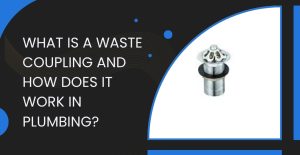
What Is a Waste Coupling?
A waste coupling is a plumbing fitting used to connect sanitary fixtures such as sinks, basins, or wash areas to the waste pipe or drainage system. It creates a secure passage for wastewater to flow out while maintaining a sealed connection that prevents leakage and foul smells.
Waste couplings are commonly used in:
- Bathroom basins
- Kitchen sinks
- Wash areas
- Utility sinks
- Commercial plumbing installations
They act as the interface between the fixture outlet and the drainage pipe, ensuring water flows efficiently and hygienically.
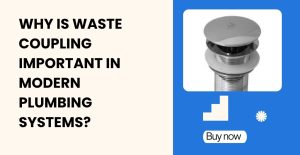
Why Waste Couplings Are Important in Plumbing
Plumbing systems are designed not only to supply water but also to safely remove wastewater. A faulty or poorly installed waste coupling can cause leaks, water stagnation, unpleasant odors, and even structural damage.
Key reasons waste couplings are essential:
- Prevent water leakage under sinks
- Maintain proper drainage flow
- Block sewer gases from entering living spaces
- Support hygienic waste disposal
- Ensure long-term durability of plumbing systems
In modern plumbing, where compact designs and concealed fittings are common, the quality and fit of a waste coupling become even more critical.
Read more: Why Every Home Needs Quality Faucet Aerators
How a Waste Coupling Works
A waste coupling works by forming a sealed connection between the fixture outlet and the drain pipe. It allows used water to exit the sink or basin smoothly while maintaining a tight joint.
Step-by-Step Function
- Water exits the fixture
When water is used in a sink or basin, it flows through the outlet opening. - Waste coupling channels the flow
The waste coupling directs the wastewater into the drain pipe without spillage. - Seal prevents leakage and odor
Rubber washers or gaskets inside the waste coupling prevent water leaks and block sewer gases from escaping. - Connection to trap and drain
The coupling connects to a trap (such as a bottle trap or P-trap), which then leads to the main drainage system.
This simple yet effective mechanism ensures hygiene, efficiency, and durability in plumbing systems.
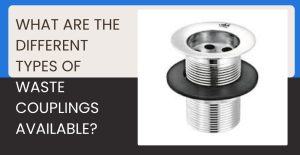
Types of Waste Couplings Used in Modern Plumbing
Waste couplings are available in various designs, tailored to specific usage, fixture type, and plumbing layouts.
Basin Waste Coupling
Commonly used in bathroom sinks, these are designed for washbasins and vanity units.
Sink Waste Coupling
Used in kitchen sinks, these often handle higher water volumes and food residue.
Bottle Trap Waste Coupling
Integrated with bottle traps for compact and modern bathroom installations.
Floor Waste Coupling
Used in floor drains for bathrooms, balconies, or utility areas.
Brass Waste Coupling
Known for durability and corrosion resistance, often used in premium plumbing setups.
Each type is designed to meet specific drainage needs while maintaining leak-proof performance.
Read more: How Aerators Can Help You Save Water and Reduce Bills
Materials Used in Waste Couplings
The material of a waste coupling directly affects its durability, performance, and lifespan.
Brass
Highly durable and corrosion-resistant, these materials are commonly used in premium bathroom and kitchen fittings.
Stainless Steel
Offers strength and resistance to rust, suitable for modern interiors.
PVC or Plastic
Lightweight and cost-effective, this material is commonly used in residential plumbing.
Chrome-Plated Couplings
Provide aesthetic appeal along with corrosion protection.
Choosing the right material depends on installation location, water quality, and usage frequency.
Waste Coupling in Modern Plumbing Systems
Modern plumbing focuses on efficiency, space optimization, and long-term reliability. Waste couplings are now designed to fit seamlessly into concealed plumbing systems and modular bathroom designs.
In contemporary setups:
- Compact waste couplings support minimalist interiors
- Precision threading reduces leakage risk
- Easy-to-remove designs allow maintenance without wall damage
- Improved sealing materials enhance odor control
These advancements make waste couplings more reliable and user-friendly than older designs.
Common Problems Caused by Poor Waste Coupling Installation
Incorrect installation or low-quality waste couplings can lead to several plumbing issues.
- Water leakage under sinks
- Slow drainage
- Bad odor from drains
- Mold or dampness in cabinets
- Frequent clogging
Using a high-quality waste coupling and proper installation technique helps avoid these issues and extends the life of the plumbing system.
How to Choose the Right Waste Coupling
Selecting the correct waste coupling is essential for smooth plumbing performance.
Consider the following factors:
- Fixture type (sink, basin, floor drain)
- Pipe size compatibility
- Material quality
- Ease of installation and maintenance
- Resistance to corrosion and wear
For modern bathrooms and kitchens, opting for durable materials and precision-engineered fittings is highly recommended.
Maintenance Tips for Waste Couplings
While waste couplings are designed for long-term use, periodic checks help prevent issues.
- Inspect for leaks periodically
- Clean debris buildup to prevent clogging
- Tighten loose fittings if required
- Replace worn-out washers or seals
- Avoid excessive force during cleaning
Simple maintenance ensures consistent performance and prevents costly repairs.
Read more: Top Aerators for Efficient Water Flow in 2025
Why Waste Couplings Matter More Than You Think
Although small in size, waste couplings play a major role in maintaining hygiene and plumbing efficiency. A well-functioning waste coupling ensures that wastewater exits smoothly, living spaces remain odor-free, and plumbing systems operate without interruption.
In modern plumbing, where reliability and cleanliness are priorities, waste couplings serve as a foundational component that supports the entire drainage system.
Final Thoughts
A waste coupling is a vital plumbing fitting that ensures safe, efficient, and hygienic wastewater disposal. From connecting sinks to drain pipes to preventing leaks and odors, its role is central to modern plumbing systems.
Understanding how waste couplings work, choosing the right type, and ensuring proper installation can significantly improve plumbing performance and longevity. Whether for residential or commercial use, investing in the right waste coupling supports a cleaner and more reliable plumbing setup.
FAQs
What is a waste coupling in plumbing?
A waste coupling is a plumbing fitting that connects a sink, basin, or fixture outlet to the drainage pipe, allowing wastewater to flow out while preventing leaks and odors.
How does a waste coupling work?
A waste coupling channel connects the fixture to the drain pipe using a sealed connection that prevents water leakage and blocks sewer gases.
Where is a waste coupling used?
Waste couplings are used in bathroom basins, kitchen sinks, wash areas, utility sinks, and floor drains in both residential and commercial plumbing systems.
What materials are waste couplings made from?
Common materials include brass, stainless steel, PVC, and chrome-plated metal, each offering different levels of durability and corrosion resistance.
Is a waste coupling different from a trap?
Yes. A waste coupling connects the fixture to the drainage system, while a trap holds water to prevent sewer gases from entering. Both work together in plumbing installations.
Can a faulty waste coupling cause leakage?
Yes. Poor-quality or incorrectly installed waste couplings can lead to water leakage, bad odors, and drainage problems.
How do I choose the right waste coupling?
Choose a waste coupling based on fixture type, pipe size, material quality, durability, and ease of installation.
Do waste couplings require maintenance?
Minimal maintenance is required. Periodic inspection, cleaning, and seal replacement help ensure long-term performance.
Read more: Bathroom Shower Trends in 2025: Styles and Features