

Choosing the right bathroom shower becomes especially important in regions with hard water. Hard water contains high levels of minerals such as calcium and magnesium, which can cause visible limescale buildup, reduced water flow, and frequent maintenance issues. Over time, the wrong shower choice can lead to clogged nozzles, uneven spray patterns, and reduced product lifespan.
This is why understanding which bathroom shower works best for hard water areas is essential. From selecting the right shower type to understanding which features protect against mineral deposits, making the right decision can enhance water flow, hygiene, and long-term performance.
Understanding Hard Water and Its Impact on Bathroom Showers
Hard water leaves behind mineral residue after evaporation. In bathroom showers, this residue appears as white stains, crusty buildup, and blocked spray outlets.
Common problems caused by hard water include:
- Reduced water pressure
- Blocked shower nozzles
- Uneven spray distribution
- Frequent cleaning requirements
- Shorter lifespan of bathroom fittings
Choosing a shower designed for areas with hard water helps minimize these issues and ensures consistent performance.
Read more: Why Every Home Needs Quality Faucet Aerators
Key Features to Look for in a Bathroom Shower for Hard Water Areas
Before selecting a shower, it’s important to understand which features offer protection against mineral buildup.
Anti-Scaling Technology
Anti-scaling or anti-limescale showers are designed to resist mineral deposits. These models often use materials and nozzle designs that prevent hard water residue from sticking permanently.
Silicone or Rubber Nozzles
Bathroom showers with silicone or rubber nozzles allow users to easily remove mineral buildup by gently rubbing the surface. This feature significantly reduces clogging and maintenance.
High-Quality Finishes
Chrome-plated, stainless steel, or PVD-coated finishes resist corrosion and staining better than low-quality coatings.
Easy Maintenance Design
A shower with removable faceplates or accessible nozzles simplifies cleaning and extends durability.
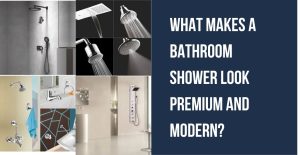
Best Types of Bathroom Showers for Hard Water Areas
1. Hand Showers with Anti-Clog Nozzles
Hand showers are one of the most practical choices for areas with hard water. Their flexible design allows regular cleaning and maintenance.
Why they work well:
- Easy to clean manually
- Silicone nozzles resist limescale buildup
- Better control over water flow
- Ideal for daily use in hard water conditions
Hand showers are often recommended for households that want reliability and ease of maintenance.
Read more: How Aerators Can Help You Save Water and Reduce Bills
2. Overhead Showers with Silicone Spray Plates
Overhead showers are popular for their balanced water flow and modern design. In areas with hard water, selecting an overhead bathroom shower with silicone nozzles is crucial.
Advantages:
- Uniform water distribution
- Better resistance to clogging
- Longer lifespan with minimal maintenance
Avoid overhead showers with very fine metal holes, as they clog faster in hard water conditions.
3. Rain Showers with Anti-Limescale Technology
Rain showers can work well in areas with hard water if designed correctly. Look for rain showers specifically labeled as anti-scaling or suitable for hard water.
Best practices:
- Choose rain showers with larger silicone nozzles
- Ensure adequate water pressure
- Clean periodically to prevent buildup
Without anti-scaling features, rain showers may lose efficiency quickly in hard water zones.
4. Filtered Bathroom Showers
Filtered showers are an excellent solution for severe hard water problems. These showers include built-in filtration systems that reduce mineral content before water reaches the spray outlets.
Benefits:
- Reduced limescale buildup
- Softer water feel
- Improved skin and hair comfort
- Longer lifespan of the shower
While filters require replacement, they significantly enhance shower performance in areas with hard water.
Materials That Perform Best in Hard Water Conditions
The material of a bathroom shower directly affects its resistance to mineral damage.
Best materials include:
- Stainless steel
- ABS plastic with chrome coating
- Brass with high-quality finishes
Avoid low-grade metal or poorly coated showers, as they corrode faster and show stains more visibly.
Water Pressure Considerations in Hard Water Areas
Hard water buildup can reduce water pressure over time. Choosing a bathroom shower designed for medium to high pressure helps maintain a consistent flow.
Shower heads with pressure-boosting designs compensate for minor mineral blockage and deliver a comfortable spray even as deposits form.
Maintenance Tips for Bathroom Showers in Hard Water Regions
Even the best bathroom shower requires regular care in areas with hard water.
Simple maintenance tips:
- Wipe the shower head after use
- Rub silicone nozzles weekly
- Use vinegar or mild descaling solutions monthly
- Clean filters as recommended
Routine care prevents long-term damage and keeps the shower functioning smoothly.
Read more: Top Aerators for Efficient Water Flow in 2025
Common Mistakes to Avoid When Choosing a Bathroom Shower
- Selecting decorative showers without anti-scaling features
- Ignoring nozzle material and design
- Choosing ultra-fine spray patterns in hard water areas
- Skipping regular maintenance
A visually appealing shower may not always be practical for hard water conditions.
Why the Right Bathroom Shower Matters in Hard Water Areas
A well-chosen bathroom shower reduces maintenance costs, improves hygiene, and ensures consistent water flow. It also enhances daily comfort by providing a smooth and balanced showering experience, even in mineral-rich water.
For households in hard-water regions, investing in the right shower is a practical decision that pays off in both durability and performance.
Final Thoughts
Hard water can be challenging, but the right bathroom shower makes a significant difference. Showers with silicone nozzles, anti-scaling technology, durable materials, and easy maintenance designs perform best in mineral-rich water conditions.
By understanding water quality and choosing a shower designed for hard water, homeowners can enjoy long-lasting performance, better water flow, and reduced maintenance without compromising on comfort or style.
FAQs
Which bathroom shower is best suited for areas with hard water?
A bathroom shower with silicone nozzles, anti-scaling technology, and durable materials like stainless steel or ABS plastic is ideal for use in areas with hard water.
Do rain showers work effectively in areas with hard water?
Rain showers can be effective if they incorporate anti-limescale features and feature larger silicone nozzles. Without these, they may clog quickly.
How does hard water affect a bathroom shower?
Hard water causes mineral buildup that can block nozzles, reduce water pressure, and shorten the lifespan of the shower.
Are filtered bathroom showers effective for hard water?
Yes, filtered bathroom showers reduce mineral content, minimize limescale buildup, and improve overall shower performance.
Which shower material is best for hard water?
Stainless steel, brass with high-quality coating, and ABS plastic with chrome finish perform best in hard water conditions.
How often should bathroom showers be cleaned in areas with hard water?
Light cleaning should be done weekly, with deeper descaling once a month to prevent mineral buildup.
Can hard water reduce shower water pressure?
Yes, mineral deposits can block nozzles over time, reducing water pressure if not cleaned regularly.
Read more: Bathroom Shower Trends in 2025: Styles and Features