

Modern plumbing systems are designed with precision, efficiency, and durability in mind. From residential bathrooms to large-scale commercial buildings, every small component plays a crucial role in ensuring smooth water flow and proper drainage. One such often-overlooked yet essential component is the waste coupling.
Understanding the importance of waste coupling is vital not just for plumbers and builders, but also for homeowners, architects, and anyone involved in construction or renovation projects. This article explores what waste coupling is, why it matters, its benefits, types, and how it contributes to efficient plumbing systems.
What Is a Waste Coupling?
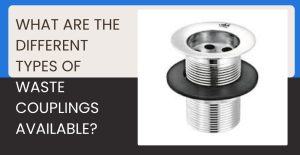
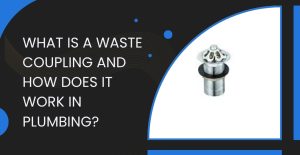
A waste coupling is a plumbing fitting used to connect sanitary fixtures—such as sinks, wash basins, or bathtubs—to the drainage pipe. It ensures that wastewater flows smoothly from the fixture into the drainage system without leaks or blockages.
Typically, waste couplings are installed beneath sinks or basins and serve as a connection between the fixture outlet and the waste pipe. They are designed to provide a secure, leakproof connection and are available in various materials, including stainless steel, brass, and PVC.
Why Waste Coupling Is Important in Modern Plumbing Systems
1. Ensures Leak-Proof Connections
One of the primary functions of a waste coupling is to create a tight, secure seal between plumbing components. In modern plumbing systems, even a minor leak can lead to:
- Structural damage
- Mold and mildew growth
- Increased maintenance costs
A high-quality waste coupling prevents water leakage, ensuring the system remains efficient and long-lasting.
2. Maintains Proper Hygiene
Hygiene is a major concern in today’s plumbing systems. Waste coupling plays a critical role in maintaining cleanliness by:
- Preventing wastewater leakage
- Reducing foul odors
- Ensuring proper drainage
By directing wastewater efficiently into the drainage system, it minimizes the risk of contamination and helps maintain a hygienic environment, especially in kitchens and bathrooms.
3. Supports Efficient Drainage
A properly installed waste coupling ensures that water flows freely without obstruction. This is particularly important in modern homes where multiple fixtures are used simultaneously.
Efficient drainage prevents:
- Water stagnation
- Slow-draining sinks
- Blockages in pipes
This contributes to the overall performance of the plumbing system and reduces the chances of frequent repairs.
4. Enhances Durability of Plumbing Systems
Modern plumbing systems are expected to last for years with minimal maintenance. Waste coupling contributes to this durability by:
- Providing a strong connection between components
- Reducing wear and tear on pipes
- Minimizing stress caused by leaks or misalignment
High-quality materials such as stainless steel and brass ensure the coupling remains corrosion-resistant and long-lasting.
5. Easy Installation and Maintenance
Another major advantage of waste coupling is its ease of installation. Whether it’s a new construction project or a renovation, waste couplings are:
- Simple to install
- Easily replaceable
- Compatible with various plumbing systems
This reduces labor costs and saves time, making it a preferred choice in modern plumbing designs.
6. Prevents Foul Odors
Foul odors from drains are a common issue in poorly designed plumbing systems. Waste coupling helps in:
- Creating a sealed connection
- Preventing gases from escaping
- Supporting proper venting
This prevents unpleasant smells from entering living spaces, enhancing overall comfort.
7. Versatility in Applications
Waste couplings are used in a wide range of applications, including:
- Bathroom sinks
- Kitchen sinks
- Bathtubs
- Wash basins
- Utility areas
Their versatility makes them indispensable components of both residential and commercial plumbing systems.
Types of Waste Couplings
Understanding the different types of waste couplings helps in selecting the right one for specific applications.
1. PVC Waste Coupling
- Lightweight and cost-effective
- Resistant to corrosion
- Ideal for residential use
2. Stainless Steel Waste Coupling
- Highly durable and rust-resistant
- Suitable for modern bathrooms
- Offers a premium finish
3. Brass Waste Coupling
- Strong and long-lasting
- Excellent resistance to wear
- Commonly used in high-end installations
4. Flexible Waste Coupling
- Allows easy adjustment during installation
- Useful in tight or complex spaces
Key Features to Look for in a Waste Coupling
When selecting a waste coupling, consider the following features:
- Material Quality: Choose corrosion-resistant materials
- Size Compatibility: Ensure it fits your fixture and pipe
- Seal Quality: Look for rubber washers or gaskets for leak-proof performance
- Ease of Installation: Opt for user-friendly designs
- Durability: Ensure long-term performance
Common Problems Without Proper Waste Coupling
Ignoring the importance of waste coupling can lead to several plumbing issues:
- Frequent leaks
- Water damage to cabinets and flooring
- Unpleasant odors
- Poor drainage performance
- Increased maintenance costs
These problems highlight why investing in a good-quality waste coupling is essential.
Role of Waste Coupling in Sustainable Plumbing
Modern plumbing is not just about functionality—it also focuses on sustainability. Waste coupling contributes to eco-friendly plumbing systems by:
- Preventing water wastage through leaks
- Supporting efficient drainage systems
- Reducing the need for frequent repairs and replacements
This aligns with green building practices and helps conserve water resources.
Installation Tips for Waste Coupling
To ensure optimal performance, follow these installation tips:
- Choose the correct size and type
- Use proper sealing materials like washers
- Ensure tight but not over-tightened connections
- Check alignment with the waste pipe
- Test for leaks after installation
Proper installation significantly enhances the efficiency and lifespan of the waste coupling.
Conclusion
Waste coupling may seem like a small component, but its impact on modern plumbing systems is significant. From ensuring leak-proof connections and maintaining hygiene to supporting efficient drainage and enhancing durability, it plays a vital role in the overall performance of plumbing systems.
Investing in high-quality waste coupling and proper installation can save time, money, and effort in the long run. Whether you are building a new home or upgrading an existing system, paying attention to these essential components ensures a smooth, hassle-free plumbing experience.
FAQs on Waste Coupling
1. What is the purpose of a waste coupling?
A waste coupling connects a sanitary fixture to the drainage pipe, ensuring smooth and leak-free wastewater flow.
2. Which material is best for waste coupling?
Stainless steel and brass are highly durable, while PVC is a cost-effective option for residential use.
3. Can I install a waste coupling myself?
Yes, waste couplings are generally easy to install, but professional installation is recommended for best results.
4. How do I know if my waste coupling is faulty?
Signs include leaks, foul odors, and slow drainage.
5. Are waste couplings universal in size?
No, they come in different sizes. Always check compatibility with your fixture and pipe.
6. How often should waste couplings be replaced?
They can last for years, but should be replaced if damaged, corroded, or leaking.
7. Do waste couplings help prevent clogs?
Yes, by ensuring proper alignment and smooth flow, they reduce the chances of blockages.