
A leaking sink or basin can quickly turn from a minor inconvenience into a frustrating daily problem. One of the most common reasons behind this issue is a faulty waste coupling. Whether it’s your bathroom basin, kitchen sink, or wash area, the waste coupling plays a crucial role in directing water smoothly into the drainage system.
If you’re noticing water dripping under your sink or around the drain area, it’s time to understand what’s causing your waste coupling to leak—and more importantly, how you can fix it without unnecessary stress.
What Is a Waste Coupling?
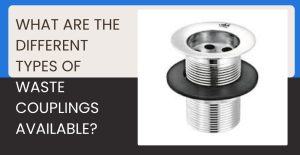
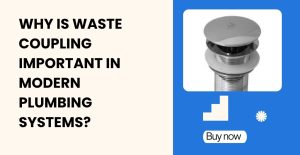
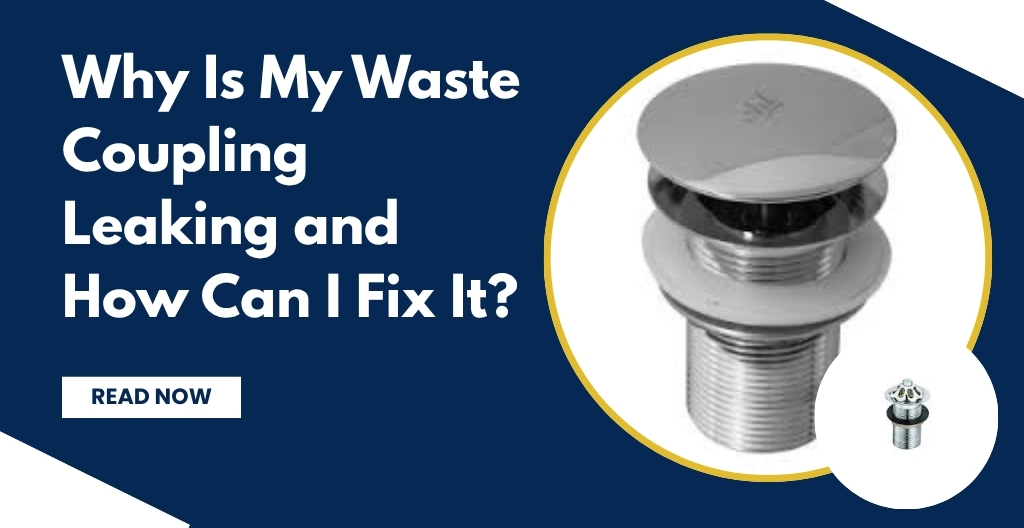
A waste coupling is a plumbing component installed at the base of sinks, basins, or wash areas. It connects the fixture outlet to the drainage pipe, ensuring proper water flow while preventing leaks.
Typically made from stainless steel, brass, or PVC, a waste coupling includes a flange (visible part), a threaded body, washers, and sealing components. It is designed to create a tight seal between the sink and the drainage pipe.
Common Signs of a Leaking Waste Coupling
Before fixing the problem, it’s important to identify whether your waste coupling is actually the source of the leak. Here are some common signs:
- Water dripping under the sink
- Dampness or water stains around the drain
- Bad odor due to stagnant water
- Loose-fitting around the basin outlet
- Visible cracks or corrosion
Ignoring these signs can lead to bigger plumbing issues, including mold growth and cabinet damage.
Top Reasons Why Your Waste Coupling Is Leaking
Understanding the root cause will help you fix the issue effectively. Here are the most common reasons:
1. Worn-Out Washer or Seal
The washer inside the waste coupling creates a watertight seal. Over time, it can wear out, crack, or lose flexibility, leading to leaks.
2. Loose Installation
If the waste coupling is not tightened properly during installation, small gaps can allow water to escape.
3. Corrosion or Rust
Metal waste couplings, especially low-quality ones, can corrode due to constant exposure to water and cleaning chemicals.
4. Cracked Body
A cracked waste coupling body can occur due to pressure, poor material quality, or accidental damage during installation.
5. Improper Alignment
If the coupling and pipe are misaligned, it can create stress on the joints, leading to leaks over time.
6. Poor Quality Material
Cheap or low-grade waste coupling products often fail quickly, especially in high-usage areas like kitchens.
How to Fix a Leaking Waste Coupling
The good news is that fixing a leaking waste coupling is usually simple and doesn’t always require a plumber. Follow these steps:
Step 1: Identify the Leak Source
Check whether the leak is coming from:
- The top flange
- The threaded connection
- The pipe joint
This will determine what needs fixing.
Step 2: Tighten the Coupling
Sometimes, the issue is as simple as a loose connection.
- Use a wrench or pliers
- Gently tighten the coupling nut
- Avoid overtightening, as it can damage the threads
Step 3: Replace the Washer
If tightening doesn’t work, the washer may be the problem.
- Unscrew the waste coupling
- Remove the old washer
- Replace it with a new rubber or silicone washer
- Reassemble and tighten properly
Step 4: Apply Plumber’s Tape or Sealant
For minor leaks in threaded areas:
- Wrap plumber’s tape around the threads
- Apply waterproof sealant if needed
- Reinstall the coupling
This helps create a stronger seal and prevents water leakage.
Step 5: Replace the Waste Coupling
If the waste coupling is damaged, corroded, or cracked, replacement is the best solution.
- Remove the old unit completely
- Clean the area
- Install a new, high-quality waste coupling
- Ensure proper alignment and tight sealing
Pro Tips to Prevent Waste Coupling Leaks
Prevention is always better than repair. Follow these tips to avoid future issues:
- Choose high-quality stainless steel or brass waste couplings
- Avoid overtightening during installation
- Clean regularly to prevent buildup
- Check for early signs of wear
- Avoid harsh chemical cleaners
Investing in a durable waste coupling can save you time, money, and the hassle of repeated repairs.
When Should You Call a Plumber?
While many waste coupling issues can be fixed at home, you should call a professional if:
- The leak persists after replacement
- There is damage to the sink or pipe
- You notice major alignment issues
- Multiple plumbing components are leaking
A plumber can diagnose deeper problems and ensure a long-term fix.
Choosing the Right Waste Coupling
If you’re replacing your waste coupling, make sure you choose the right one:
- Material: Stainless steel for durability
- Size: Match your sink outlet size
- Design: Anti-clog and easy-clean options
- Brand quality: Trusted brands ensure longevity
A good waste coupling not only prevents leaks but also improves overall drainage efficiency.
Conclusion
A leaking waste coupling might seem like a minor issue, but it can lead to bigger problems if left unchecked. From worn-out washers to improper installation, there are several reasons why leaks occur. The key is to identify the problem early and fix it with simple methods such as tightening, replacing washers, or installing a new coupling.
Regular maintenance and the use of high-quality materials can go a long way toward preventing leaks and ensuring smooth water flow in your sink or basin.
Taking quick action not only saves money but also keeps your space clean, hygienic, and damage-free.
FAQs on Waste Coupling
1. What is the main function of a waste coupling?
A waste coupling connects the sink or basin outlet to the drainage pipe, ensuring proper water flow and preventing leaks.
2. Why is my waste coupling leaking from the bottom?
It is usually due to a worn-out washer, loose connection, or damaged threads.
3. Can I fix a waste coupling leak myself?
Yes, most minor leaks can be fixed by tightening the coupling, replacing the washer, or applying plumber’s tape.
4. How long does a waste coupling last?
A high-quality waste coupling can last 5–10 years, depending on usage and maintenance.
5. Which material is best for a waste coupling?
Stainless steel and brass are the best options due to their durability and corrosion resistance.
6. Should I use sealant on a waste coupling?
Yes, using plumber’s tape or sealant can help create a leak-proof connection, especially in threaded areas.
7. How do I know if I need to replace my waste coupling?
If you see cracks, rust, or continuous leakage even after fixing, replacement is the best option.