
Plumbing systems rely on several small yet essential components that ensure smooth water flow and prevent leaks. One such important fitting is the waste coupling. Though often overlooked, it plays a critical role in connecting fixtures like washbasins, sinks, and bathtubs to the drainage system.
Understanding what a waste coupling is and how it works can help homeowners, builders, and contractors maintain efficient plumbing systems and avoid unnecessary repair costs.
What Is a Waste Coupling?
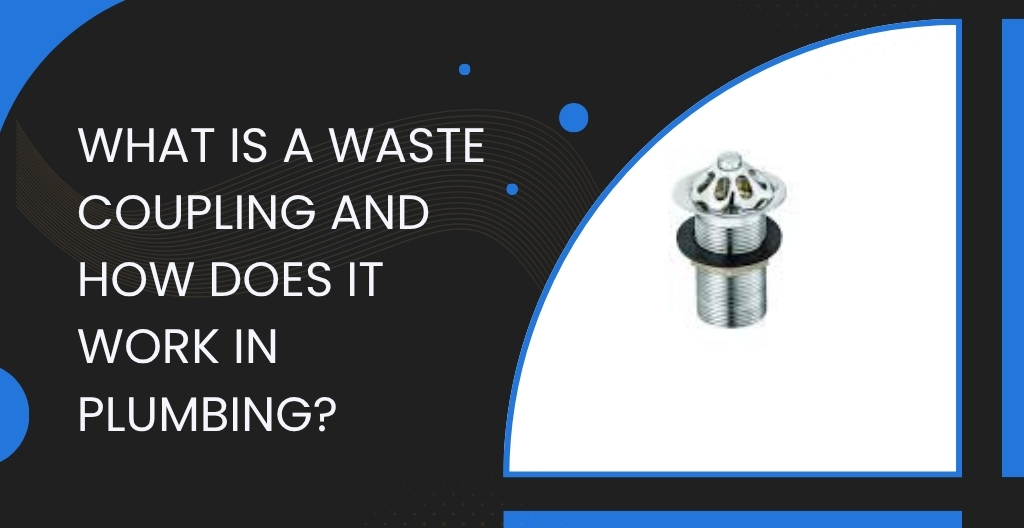
A waste coupling is a plumbing fitting used to connect a sanitary fixture—such as a sink or basin—to the drainage pipe. It is typically installed at the fixture outlet and ensures that wastewater flows smoothly into the drainage system without leakage.
It usually consists of:
- A top flange (visible part inside the sink)
- A threaded body
- Rubber or silicone washers
- Lock nuts to secure the connection
Waste couplings are commonly made from materials like stainless steel, brass, or high-quality plastic, depending on durability and budget requirements.
Why Is a Waste Coupling Important?
The waste coupling may seem like a small component, but it serves multiple critical functions:
1. Leak Prevention
It creates a tight seal between the fixture and the drainage pipe, preventing water leakage.
2. Smooth Drainage
Ensures an uninterrupted flow of wastewater from the sink to the drain.
3. Odor Control
When properly installed with traps, it helps prevent foul smells from coming back up.
4. Structural Stability
Keeps the drain outlet securely attached to the fixture.
Without a properly installed waste coupling, even a premium plumbing setup can fail.
How Does a Waste Coupling Work?
The working mechanism of a waste coupling is simple yet highly effective:
Step 1: Placement in the Fixture
The flange of the waste coupling sits inside the drain hole of the sink or basin.
Step 2: Sealing the Joint
A rubber or silicone washer is placed underneath the fixture to create a watertight seal.
Step 3: Tightening the Connection
A lock nut is screwed onto the threaded body from below, securing the coupling tightly.
Step 4: Connecting to Drain Pipe
The lower end of the coupling connects to the waste pipe or trap (like a P-trap).
Step 5: Water Flow
When water drains, it passes through the coupling directly into the drainage system without leakage.
This simple mechanism ensures efficiency and hygiene in everyday plumbing use.
Types of Waste Couplings
Different types of waste coupling are available based on usage and design:
1. CP Waste Coupling (Chrome Plated)
- Sleek and shiny finish
- Commonly used in modern bathrooms
- Corrosion-resistant
2. Stainless Steel Waste Coupling
- Highly durable
- Rust-resistant
- Ideal for long-term use
3. PVC Waste Coupling
- Lightweight and budget-friendly
- Easy to install
- Suitable for basic applications
4. Pop-Up Waste Coupling
- Includes a stopper mechanism
- Allows users to open/close drainage easily
- Common in washbasins
5. Floor Drain Waste Coupling
- Used in bathroom floors
- Helps drain excess water efficiently
Materials Used in Waste Couplings
The performance of a waste coupling largely depends on its material:
- Brass: Strong, durable, and corrosion-resistant
- Stainless Steel: Long-lasting and aesthetically appealing
- Plastic (PVC/ABS): Cost-effective and easy to handle
Choosing the right material ensures longevity and better performance.
Where Are Waste Couplings Used?
Waste couplings are used in multiple plumbing fixtures:
- Bathroom washbasins
- Kitchen sinks
- Bathtubs
- Utility sinks
- Floor drains
They are essential in both residential and commercial plumbing systems.
Installation Process of Waste Coupling
Installing a waste coupling is relatively straightforward:
Step-by-Step Installation:
- Clean the drain hole of the fixture
- Insert the waste coupling flange into the hole
- Place the rubber washer underneath
- Tighten the lock nut securely
- Connect the coupling to the drain pipe or trap
- Test for leaks by running water
Proper installation is crucial to avoid leakage and ensure durability.
Common Problems and Solutions
Even a high-quality waste coupling can fail if not properly maintained.
1. Leakage
Cause: Loose fittings or worn-out washers
Solution: Tighten connections or replace washers
2. Clogging
Cause: Debris accumulation
Solution: Clean regularly or use drain cleaners
3. Corrosion
Cause: Low-quality material or exposure to moisture
Solution: Use stainless steel or brass couplings
4. Bad Odor
Cause: Improper sealing or missing trap
Solution: Ensure proper installation with a P-trap
Tips for Choosing the Right Waste Coupling
Selecting the right waste coupling ensures better performance and durability:
- Choose corrosion-resistant materials
- Ensure compatibility with your fixture
- Check for proper sealing components
- Prefer branded products for reliability
- Consider design and finish for aesthetics
Maintenance Tips
To extend the life of your waste coupling, follow these simple tips:
- Clean regularly to prevent clogging
- Check for leaks periodically
- Replace worn-out washers
- Avoid disposing of solid waste in sinks
- Use mild cleaning agents to prevent damage
Advantages of Using a High-Quality Waste Coupling
- Long-lasting performance
- Leak-proof connections
- Better hygiene and odor control
- Improved drainage efficiency
- Low maintenance requirements
Investing in a good waste coupling saves time, money, and effort in the long run.
Conclusion
A waste coupling is a small but essential component in any plumbing system. It connects fixtures to drainage pipes, ensures leak-proof performance, and supports efficient wastewater flow. Whether in kitchens, bathrooms, or commercial spaces, its role is indispensable.
Choosing the right type, material, and ensuring proper installation can significantly improve the overall performance of your plumbing system. Regular maintenance further enhances its durability and efficiency.
FAQs About Waste Coupling
1. What is the main function of a waste coupling?
The main function of a waste coupling is to connect a sanitary fixture to the drainage pipe and ensure smooth, leak-free wastewater flow.
2. Is a waste coupling necessary for every sink?
Yes, every sink or basin requires a waste coupling to properly connect it to the drainage system.
3. Which material is best for a waste coupling?
Stainless steel and brass are considered the best materials due to their durability and corrosion resistance.
4. Can I install a waste coupling myself?
Yes, installing a waste coupling is simple and can be done with basic tools, but professional installation ensures better reliability.
5. How do I fix a leaking waste coupling?
You can fix it by tightening the connections or replacing damaged washers.
6. What is the difference between a waste coupling and a drain?
A waste coupling is a connector fitting, while a drain is the overall system that carries wastewater away.
7. How long does a waste coupling last?
A high-quality waste coupling can last several years, depending on usage and maintenance.