
When it comes to plumbing systems, small components often play a big role in maintaining efficiency, hygiene, and durability. One such essential yet often overlooked fitting is the waste coupling. Whether you are installing a washbasin, sink, or bathtub, choosing the right waste coupling ensures smooth drainage, prevents leakage, and enhances the overall functionality of your sanitary setup.
In this detailed guide, we will explore what a waste coupling is, its importance, and the different types of waste couplings available in the market. This will help you make an informed decision for both residential and commercial plumbing needs.
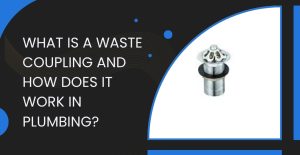
What Is a Waste Coupling?
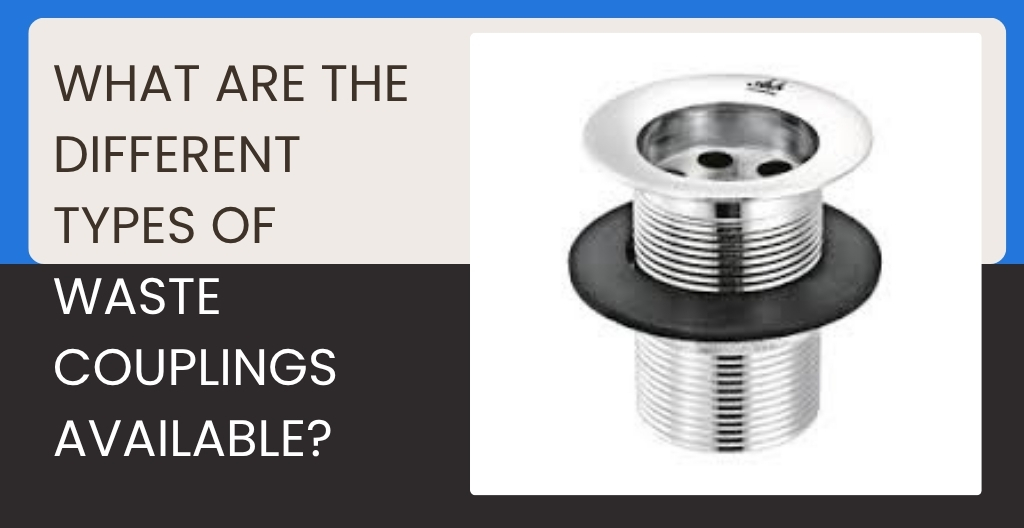
A waste coupling is a plumbing component that connects sanitary fixtures like washbasins, sinks, or bathtubs to the drainage system. It acts as an outlet for wastewater, allowing it to flow smoothly into the pipes while preventing debris from entering and clogging the system.
Typically installed at the bottom of a basin or sink, waste couplings are designed to ensure proper water discharge, reduce odor issues, and maintain cleanliness.
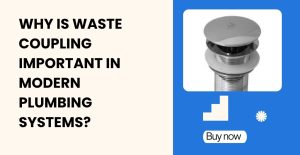
Why Is Choosing the Right Waste Coupling Important?
Selecting the right waste coupling is not just about fitting—it directly impacts the performance and longevity of your plumbing system.
Here’s why it matters:
- Efficient Drainage: Prevents water accumulation and ensures quick discharge
- Leak Prevention: High-quality couplings minimize water leakage
- Hygiene Maintenance: Reduces foul odors and bacterial buildup
- Durability: The right material ensures long-term usage
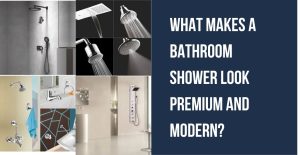
- Aesthetic Appeal: Modern designs complement bathroom and kitchen interiors
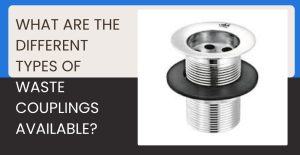
Different Types of Waste Couplings Available
Let’s dive into the most commonly used types of waste coupling options available in the market.
1. Bottle Trap Waste Coupling
A bottle trap waste coupling is widely used under washbasins. It has a cylindrical shape that traps a small amount of water, preventing foul gases from entering the bathroom.
Key Features:
- Sleek and modern design
- Easy to clean and maintain
- Ideal for exposed plumbing setups
Best For: Designer bathrooms and wall-mounted basins
2. Floor Drain Waste Coupling
This type of waste coupling is installed directly on the floor, typically in bathrooms, kitchens, or balconies.
Key Features:
- Prevents water stagnation
- Often includes anti-odor and anti-insect features
- Durable and corrosion-resistant
Best For: Bathroom floors, utility areas, and wet spaces
3. Sink Waste Coupling
Designed specifically for kitchen sinks, this waste coupling usually comes with a strainer to catch food particles and debris.
Key Features:
- Built-in strainer for solid waste
- Prevents clogging
- Easy to install and replace
Best For: Kitchen sinks and utility sinks
4. Pop-Up Waste Coupling
A pop-up waste coupling features a push-button mechanism that allows you to open or close the drain easily.
Key Features:
- User-friendly push mechanism
- Modern and stylish
- Eliminates the need for separate stoppers
Best For: Premium washbasins and modern bathrooms
5. Click-Clack Waste Coupling
Similar to pop-up couplings, click-clack waste couplings work with a simple press mechanism.
Key Features:
- Smooth operation
- Stylish finish
- Low maintenance
Best For: Contemporary bathroom setups
6. Flexible Waste Coupling
Flexible waste couplings are adjustable and can fit into tight or unusual spaces where rigid pipes may not work.
Key Features:
- Adjustable length
- Easy installation in compact areas
- Cost-effective
Best For: Renovations and compact plumbing layouts
7. Concealed Waste Coupling
This type of waste coupling is hidden behind walls or cabinets, offering a clean, minimalist look.
Key Features:
- Hidden installation
- Enhances aesthetics
- Requires professional setup
Best For: Luxury and modern interior designs
Materials Used in Waste Couplings
Waste couplings are available in various materials, each offering different benefits:
- Stainless Steel: Durable, rust-resistant, and long-lasting
- Brass: Strong and corrosion-resistant, often chrome-plated
- Plastic (PVC): Lightweight, affordable, and easy to install
Choosing the right material depends on your budget, usage, and design preference.
Factors to Consider When Choosing a Waste Coupling
Before buying a waste coupling, consider these important factors:
1. Application Area
Choose based on whether it’s for a basin, sink, or floor drain.
2. Material Quality
Opt for corrosion-resistant materials for long-term durability.
3. Design & Finish
Match the coupling with your bathroom or kitchen aesthetics.
4. Ease of Installation
Some couplings require professional installation, while others are DIY-friendly.
5. Maintenance Needs
Go for designs that are easy to clean and unclog.
Common Problems and Solutions
Even the best waste coupling can face issues over time. Here are some common problems:
- Clogging: Caused by debris buildup → Use strainers and clean regularly
- Leakage: Due to poor installation → Ensure proper sealing
- Odor Issues: Dry traps → Maintain water levels in traps
- Corrosion: Low-quality material → Invest in premium materials
Maintenance Tips for Long-Lasting Performance
- Clean the coupling regularly to avoid blockages
- Use mild cleaning agents to prevent damage
- Check for leaks and fix them immediately
- Avoid disposing of solid waste into drains
Conclusion
A waste coupling may seem like a small plumbing accessory, but it plays a crucial role in maintaining an efficient and hygienic drainage system. From bottle traps to pop-up and flexible designs, there are various types of waste couplings available to suit different needs and preferences.
Choosing the right type based on your application, budget, and design requirements can significantly improve your plumbing system’s performance and durability. Investing in a high-quality waste coupling ensures long-term reliability and a hassle-free experience.
FAQs About Waste Coupling
1. What is the purpose of a waste coupling?
A waste coupling connects sanitary fixtures to the drainage system, allowing wastewater to flow out efficiently while preventing clogs and odors.
2. Which waste coupling is best for bathrooms?
Bottle trap and pop-up waste couplings are ideal for bathrooms due to their design and functionality.
3. Are waste couplings universal in size?
No, waste couplings come in different sizes. It’s important to choose one that matches your fixture and pipe dimensions.
4. How often should I clean my waste coupling?
It is recommended to clean it at least once a month to prevent clogging and maintain hygiene.
5. Can I install a waste coupling myself?
Yes, basic types like sink or flexible waste couplings can be installed easily, but concealed or complex systems may require professional help.
6. Which material is best for waste coupling?
Stainless steel and brass are the best choices for durability and corrosion resistance.