
A drainage system is only as reliable as its smallest component. While pipes, traps, and outlets receive most of the attention, one often overlooked fitting plays a crucial role in preventing leaks and maintaining smooth water flow: the waste coupling. Whether in residential bathrooms, kitchens, or commercial plumbing setups, a waste coupling ensures secure connections between fixtures and drainage pipes.
Leaks, foul odors, and water damage frequently result from poor-quality fittings or improper sealing. Understanding why a waste coupling is important helps homeowners, builders, and plumbers design leak-free drainage systems that last longer and perform better.
What Is a Waste Coupling?
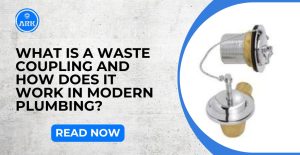
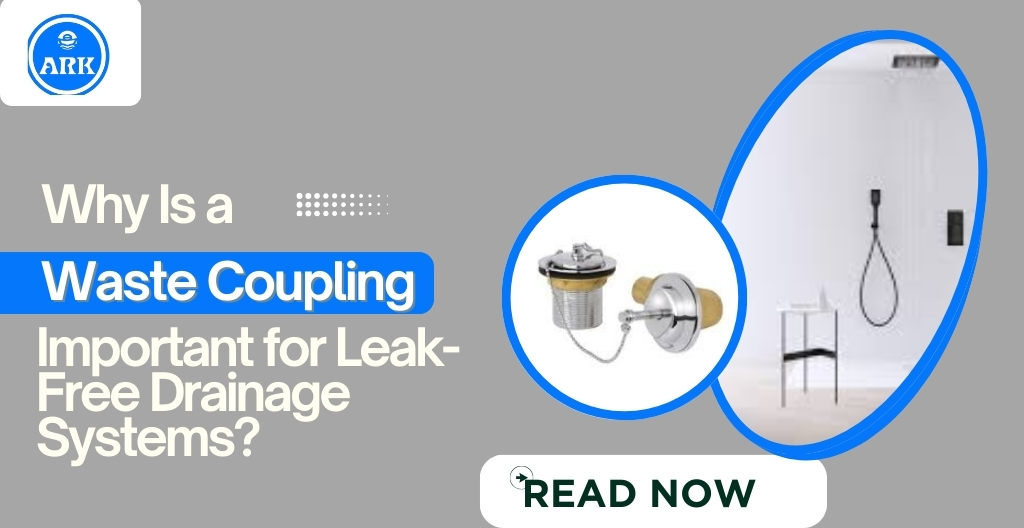
A waste coupling is a plumbing fitting used to connect sanitary fixtures—such as wash basins, sinks, or bathtubs—to waste pipes. It forms a tight seal that allows wastewater to flow smoothly into the drainage system while preventing leaks and backflow.
Waste couplings are commonly installed beneath sinks and basins, serving as the transition point between the fixture outlet and the drainpipe. They are available in various materials, sizes, and designs to suit different plumbing requirements.
Related terms often associated with waste coupling include:
- Drain coupling
- Basin waste fitting
- Sink waste connector
- Bathroom drainage fitting
- Leak-proof plumbing joint
Read more: Why Every Home Needs Quality Faucet Aerators
How a Waste Coupling Works
A waste coupling creates a watertight seal between the fixture outlet and the drainage pipe. It usually consists of:
- A threaded body
- Rubber or silicone washer
- Lock nut or compression fitting
When installed correctly, the washer compresses tightly against the surface, preventing water from escaping. This seal also helps absorb minor vibrations and pressure changes caused by water flow.
Proper alignment and correct tightening are essential. An improperly fitted waste coupling can result in slow leaks that often go unnoticed until damage occurs.
Why Waste Coupling Is Important in Drainage Systems
1. Prevents Water Leakage
The primary function of a waste coupling is to prevent water leakage at the joint where a fixture meets a drainage pipe. Even small leaks can lead to moisture buildup, mold growth, and structural damage over time.
2. Ensures Smooth Wastewater Flow
A well-designed waste coupling allows wastewater to flow efficiently without obstruction. This reduces the risk of blockages, slow drainage, and pressure buildup within the pipe.
3. Supports Long-Term Plumbing Durability
Leaks often weaken surrounding materials such as cabinets, flooring, and walls. By ensuring a secure joint, waste couplings contribute to the long-term durability of the entire plumbing system.
4. Prevents Foul Odors
A tight waste coupling seal prevents sewer gases from escaping into living spaces. Poorly sealed drainage joints are a common cause of unpleasant odors in bathrooms and kitchens.
5. Enhances System Safety
In commercial buildings and high-usage environments, a faulty waste coupling can cause frequent maintenance issues. Reliable couplings reduce the risk of sudden failures and water damage.
Read more: How Aerators Can Help You Save Water and Reduce Bills
Types of Waste Couplings
Different applications require different types of waste couplings. Selecting the right one is essential for leak-free performance.
PVC Waste Coupling
PVC waste couplings are lightweight, corrosion-resistant, and widely used in residential plumbing. They are cost-effective and suitable for most sink and basin installations.
Brass Waste Coupling
Brass couplings offer high durability and strength. They are commonly used in premium bathrooms and commercial spaces where long-term reliability is essential.
Stainless Steel Waste Coupling
Stainless steel waste couplings resist corrosion and wear, making them ideal for areas with high moisture exposure and heavy use.
Bottle Trap Integrated Coupling
Some waste couplings are designed to integrate with bottle traps, simplifying installation and improving aesthetics under wash basins.
Common Problems Caused by Poor Waste Coupling
Using low-quality or improperly installed waste couplings can lead to several plumbing issues:
- Continuous water seepage
- Cabinet and floor damage
- Mold and mildew formation
- Pipe misalignment
- Increased maintenance costs
These issues highlight why investing in a good waste coupling is essential rather than optional.
Waste Coupling and Leak-Free Plumbing Design
In modern plumbing design, leak prevention is a top priority. A waste coupling plays a vital role in achieving this by:
- Maintaining consistent pressure
- Absorbing minor pipe movements
- Providing flexible yet secure joints
Professional plumbers often emphasize the quality of waste couplings because it directly affects system reliability.
Installation Tips for Waste Coupling
Even the best waste coupling can fail if installed incorrectly. Some best practices include:
- Ensuring correct size compatibility
- Using high-quality washers
- Avoiding over-tightening
- Checking alignment before final tightening
- Testing for leaks after installation
Routine inspection helps identify wear and tear early.
Read more: Top Aerators for Efficient Water Flow in 2025
Waste Coupling in Residential vs Commercial Plumbing
In residential plumbing, waste couplings are commonly used for wash basins, kitchen sinks, and bathtubs. In commercial settings, such as hotels or hospitals, higher-grade materials are preferred due to increased usage and water pressure.
Choosing the right waste coupling based on application ensures compliance with plumbing standards and improves system longevity.
Why Quality Matters in Waste Couplings
Cheap or substandard waste couplings may appear cost-effective initially but often lead to higher repair costs. Quality waste couplings offer:
- Better sealing efficiency
- Longer lifespan
- Reduced maintenance
- Improved safety
Investing in reliable drainage fittings is essential for long-term plumbing health.
Final Thoughts
The importance of a waste coupling in a drainage system cannot be overstated. It is a small yet critical component that ensures leak-free performance, smooth drainage, and system durability. By preventing water leakage, foul odors, and structural damage, a properly selected and installed waste coupling safeguards both residential and commercial spaces.
For anyone planning plumbing installations or upgrades, focusing on the quality of waste couplings is a practical step toward a reliable, maintenance-free drainage system.
FAQs
What is a waste coupling used for?
A waste coupling connects sanitary fixtures, such as sinks and basins, to drainage pipes, creating a leakproof joint for wastewater flow.
Why is a waste coupling important?
A waste coupling prevents water leakage, supports smooth drainage, and blocks foul odors, ensuring a reliable and hygienic plumbing system.
Can a faulty waste coupling cause leaks?
Yes, a damaged or poorly installed waste coupling is a common cause of slow leaks that can lead to water damage and mold growth.
Which material is best for waste coupling?
PVC is suitable for residential use, while brass and stainless steel are preferred for commercial or high-usage environments due to durability.
How long does a waste coupling last?
A high-quality waste coupling can last many years if properly installed and maintained, depending on material and usage conditions.
Can waste coupling be replaced easily?
Yes, waste couplings are relatively easy to replace, but proper sizing and sealing are essential for a leak-free installation.
Does waste coupling prevent bad odors?
Yes, a properly sealed waste coupling prevents sewer gases from escaping into living spaces.
Is professional installation required for waste coupling?
While basic installations can be done by skilled individuals, professional installation ensures correct alignment and long-term leak prevention.
Read more: Bathroom Shower Trends in 2025: Styles and Features