
Modern homes and offices are rapidly adopting smart fixtures that improve hygiene, efficiency, and convenience. One such upgrade gaining popularity is the sensor tap. Once limited to airports and luxury hotels, sensor taps are now common in residential bathrooms, kitchens, and corporate spaces. This shift raises an important question: is a sensor tap better than a manual tap for homes and offices?
To answer this, it is essential to compare usability, hygiene, water efficiency, maintenance, cost, and long-term value. Understanding these factors helps homeowners, facility managers, and business owners make informed decisions.
What Is a Sensor Tap?
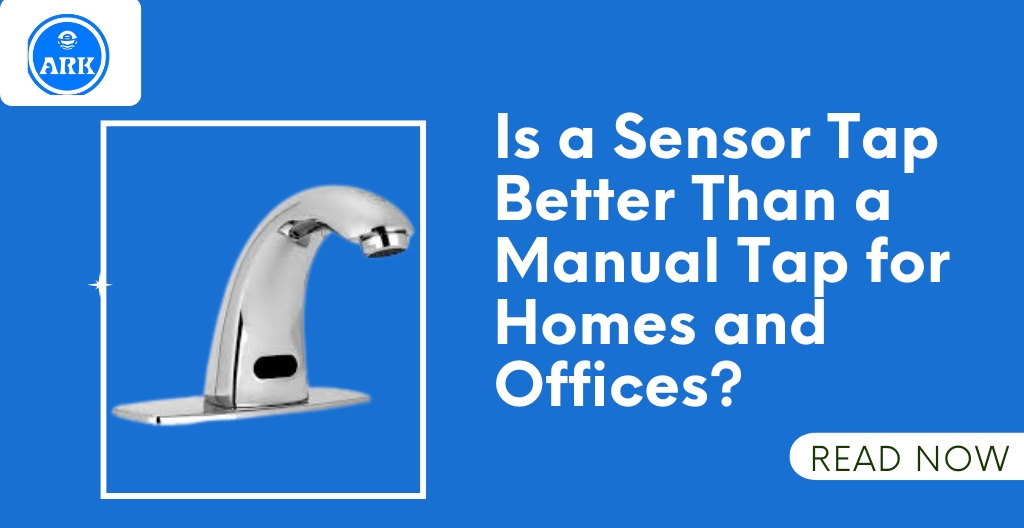
A sensor tap, also known as an automatic tap or touchless faucet, uses infrared or motion sensors to detect hand movement. Water flows automatically when hands are placed under the spout and stops once they are removed. This hands-free mechanism eliminates the need for physical contact.
Sensor taps are commonly used in:
- Residential bathrooms and kitchens
- Office washrooms
- Hospitals and clinics
- Hotels and restaurants
- Public and commercial washrooms
Their design supports hygiene, water conservation, and ease of use.
Read more: Why Every Home Needs Quality Faucet Aerators
What Is a Manual Tap?
A manual tap is the traditional faucet operated by turning a knob, lever, or handle. Water flow depends entirely on user control. Manual taps are widely used in homes due to their simplicity, lower initial cost, and ease of installation.
While reliable, manual taps rely on users to turn them off properly, which can lead to water waste and hygiene concerns, especially in shared spaces.
Hygiene: A Key Advantage of Sensor Taps
One of the strongest reasons people choose a sensor tap is hygiene. Touchless operation reduces contact with surfaces that may carry germs or bacteria.
Sensor Tap Hygiene Benefits
- No physical contact required
- Reduces cross-contamination
- Ideal for offices, hospitals, and public washrooms
- Supports better hand hygiene practices
Manual taps require users to touch handles before and after washing hands, which can reintroduce germs. In high-traffic environments, this becomes a significant concern.
Water Efficiency and Conservation
Water efficiency is a major factor in modern plumbing choices. Sensor taps are designed to release water only when needed.
How Sensor Taps Save Water
- Automatically shuts off when hands are removed
- Prevent accidental water running
- Reduce water wastage caused by human error
Manual taps depend on user behavior. In busy offices or public restrooms, taps are often left running longer than necessary. Over time, this leads to increased water bills.
For environmentally conscious homes and offices, sensor taps offer a clear advantage in water conservation.
Convenience and User Experience
Sensor Tap Convenience
Sensor taps provide effortless operation. They are especially helpful for:
- Children and elderly users
- People with mobility limitations
- Busy office environments
Users do not need to adjust knobs or handles, making daily use faster and easier.
Read more: How Aerators Can Help You Save Water and Reduce Bills
Manual Tap Convenience
Manual taps allow precise control over water temperature and pressure. Some users prefer this tactile control, particularly in kitchens where water flow adjustments are frequent.
Installation and Maintenance Comparison
Sensor Tap Installation
Sensor taps require:
- Power source (battery or electrical)
- Proper sensor alignment
- Professional installation for best performance
Modern sensor taps are designed to be reliable, but they may need periodic battery replacement or sensor cleaning.
Manual Tap Installation
Manual taps are simpler to install and maintain. They do not require power and are easier to repair if issues arise.
However, frequent use can lead to wear and tear of handles, washers, and cartridges.
Cost Considerations
Initial Cost
Sensor taps generally have a higher upfront cost compared to manual taps. This includes the fixture itself and installation.
Manual taps are initially more affordable, making them attractive to budget-conscious buyers.
Long-Term Cost
Despite the higher initial investment, sensor taps can reduce:
- Water bills
- Maintenance costs from misuse
- Replacement frequency in commercial settings
Over time, sensor taps often offer better value, especially in offices and commercial spaces.
Durability and Longevity
Sensor taps are designed for frequent use and are commonly found in high-traffic environments. With proper maintenance, they offer long-term reliability.
Manual taps are durable but may wear more quickly due to frequent handling. In offices, this can result in frequent repairs or replacements.
Aesthetic and Design Appeal
Modern sensor taps are sleek, minimal, and visually appealing. They complement contemporary bathroom and kitchen designs and are often associated with smart home aesthetics.
Manual taps come in a wide range of styles, from traditional to modern, offering more design flexibility for certain interiors.
Read more: Top Aerators for Efficient Water Flow in 2025
Best Choice for Homes
For residential use, a sensor tap is ideal if:
- Hygiene is a priority
- Water conservation matters
- The home follows a modern or smart design approach
Manual taps may be better for:
- Budget-friendly renovations
- Kitchens requiring frequent water control
- Traditional home designs
Many homeowners choose a combination—sensor taps for bathrooms and manual taps for kitchens.
Best Choice for Offices and Commercial Spaces
In offices, hospitals, and public restrooms, sensor taps are clearly superior. They improve hygiene, reduce water usage, and minimize maintenance issues caused by misuse.
Manual taps are less suitable in high-traffic commercial environments due to hygiene and water wastage concerns.
Final Verdict: Sensor Tap or Manual Tap?
A sensor tap offers clear advantages in hygiene, water efficiency, and modern convenience, making it a strong choice for offices and contemporary homes. Manual taps remain practical for certain residential applications where cost and control are priorities.
The right choice depends on usage, environment, and long-term goals. For most modern spaces, sensor taps are a smart, future-ready solution.
FAQs
What is a sensor tap?
A sensor tap is a touchless faucet that uses motion or infrared sensors to automatically control water flow.
Are sensor taps better than manual taps?
Sensor taps are better for hygiene, water conservation, and high-traffic areas, while manual taps offer simplicity and lower upfront cost.
Do sensor taps save water?
Yes. Sensor taps automatically shut off when not in use, significantly reducing water waste.
Are sensor taps suitable for homes?
Yes. Sensor taps are increasingly used in home bathrooms and kitchens for convenience, hygiene, and modern design.
Do sensor taps require electricity?
Most sensor taps operate on batteries or a low-voltage electrical connection.
Are sensor taps hard to maintain?
No. Regular cleaning and occasional battery replacement are usually sufficient.
Where are sensor taps commonly used?
Sensor taps are commonly used in offices, hospitals, hotels, malls, and modern homes.
Are sensor taps hygienic?
Yes. Touchless operation reduces the spread of germs, making sensor taps highly hygienic.
Read more: Bathroom Shower Trends in 2025: Styles and Features