
When it comes to kitchen and bathroom plumbing, some of the smallest parts play the biggest roles. One such unsung hero is the waste coupling. It may look like a simple metallic fitting, but it has a big job—managing water drainage efficiently and hygienically.
Whether you’re a homeowner planning a renovation or a plumber looking to guide clients better, this complete guide breaks down everything you need to know about waste coupling—from its purpose to types, usage tips, and how to choose the right one.
What Is Waste Coupling?
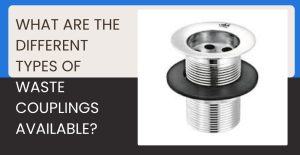
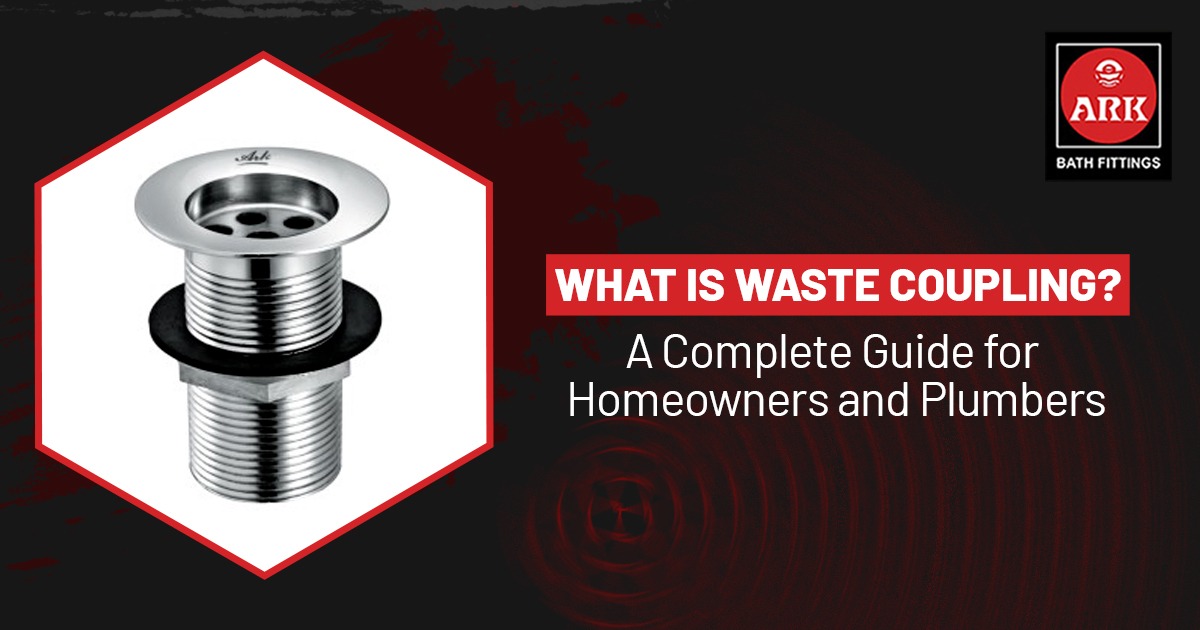
A waste coupling is a plumbing fitting that connects the washbasin, sink, or countertop basin to the drainage pipe. It helps in directing the wastewater from the sink or basin into the plumbing line while keeping unwanted debris, soap scum, and particles from flowing in.
It typically sits at the drain outlet of the basin and is usually made of stainless steel, brass, or chrome-plated materials.
Read now: Waste Coupling: What It Is, Types, and How to Choose the Right One
What Part Does It Play in a Bathroom or Kitchen?
Though small, a waste coupling plays a crucial part in the daily functioning of both bathrooms and kitchens:
- Efficient Drainage: Ensures smooth flow of wastewater from the basin to the drain.
- Clog Prevention: Many come with built-in strainers that catch hair, food particles, or debris.
- Hygiene: Prevents bad odour or backflow from the drainage pipe.
- Aesthetic Finish: Covers the drainage outlet with a neat, polished look.
For plumbers, choosing the right coupling is essential to prevent frequent service calls for clogs or leakages. For homeowners, it’s about long-term hygiene and ease of maintenance.
Types of Waste Couplings Commonly Used in India
Here are the most commonly used waste coupling types in Indian homes and commercial spaces:
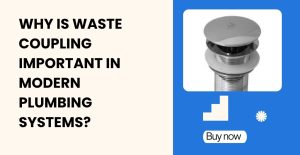
1. Pop-Up Waste Coupling
- Operated by a button or lever.
- Ideal for modern basins.
- Helps retain water temporarily in the basin.
2. Fixed Waste Coupling
- No open/close mechanism.
- Water flows out freely.
- Best for utility areas or public washrooms.
3. Bottle Trap Compatible Couplings
- Allow connection with a bottle trap (used to block bad odours).
- Mostly used in premium bathroom setups.
Read now: Can Sensor Taps Work Without Electricity?
4. Flat or Dome Type Couplings
- Feature a dome shape with tiny perforations.
- Designed to stop solid waste from entering the pipe.
Note: Most couplings in India are available in 1.25-inch and 1.5-inch sizes. Standard bathroom basins typically use 1.25-inch couplings, while kitchen sinks require 1.5-inch versions due to higher water flow.
What You Should Know About Waste Coupling as a Homeowner
As a homeowner, choosing the right waste coupling ensures your sinks and basins work efficiently without clogging or leaking. Here’s what you should keep in mind:
- Know Your Basin or Sink Type – Flat-bottomed and sloped basins may require different couplings. A mismatch can cause slow drainage or leaks.
- Check for Overflow Holes – Some basins have overflow channels, and the waste coupling must match that.
- Pick Rust-Resistant Materials – Brass or stainless steel couplings last longer and maintain shine.
- Easy Maintenance Features – Choose models with removable strainers or simple locking systems that make cleaning easy.
- Match the Finish – If your basin has a designer look, pick a waste coupling that blends in visually with chrome or matte finishes.
Read now: Top 5 Bathroom Tap Problems and How to Fix Them
What You Should Know About Waste Coupling as a Plumber
For plumbers, waste coupling knowledge is essential to deliver quality, leak-free installations and avoid callbacks. Here’s what matters:
- Correct Sizing is Key – Always measure the drain outlet and confirm coupling size (typically 32mm or 38mm).
- Choose Heavy-Duty Options for High-Use Areas – Use solid brass or high-grade stainless steel in commercial bathrooms or kitchens.
- Double-Check Compatibility with Traps – Ensure the coupling aligns with the type of trap (bottle trap, P-trap, or concealed trap) being used.
- Check Threading and Seal Tightness – A common cause of leaks is mismatched or low-quality threading. Use proper sealants or washers.
- Guide Clients on Maintenance – Educate homeowners about periodic cleaning to prevent build-up, especially in dome-type couplings.
How Do You Know Which Is the Right Waste Coupling to Use?
Consider the following:
- Basin Type: Flat bottom vs. sloped vs. countertop
- Presence of Overflow Hole: Choose coupling accordingly
- Use Case: Daily handwashing, dishwashing, high water volume
- Aesthetics: Visible vs. concealed coupling
- Material Quality: Rust-free stainless steel or brass preferred for long-term use
For plumbers, it’s also about durability and compatibility with the rest of the drainage assembly.
Top 5 Tips to Choose the Right Waste Coupling for Your Bathroom or Kitchen
Here are practical tips to help both homeowners and plumbers make informed decisions:
1. Measure the Drain Hole Diameter
Always check the exact diameter of your basin or sink drain before buying. Standard doesn’t always mean universal.
2. Check for Rust-Resistant Materials
Prefer waste coupling options made from SS304 grade stainless steel or brass with chrome finish for maximum durability.
3. Choose Based on Flow Needs
- Fixed couplings for faster drainage
- Pop-up types for areas where you may want to hold water temporarily
4. Consider Easy Maintenance Designs
Look for couplings with removable strainers or open-mesh designs for quick cleaning.
5. Ensure Compatibility with Traps and Pipes
Especially for concealed or designer bathrooms, check that your waste coupling fits properly with the bottle trap or wall outlet pipe.
A waste coupling might be small, but it’s a vital piece in ensuring hygiene, efficiency, and longevity in your kitchen or bathroom. With the right type, material, and size, you can avoid plumbing issues, unpleasant odours, and unnecessary maintenance.
For homeowners, this guide should help you confidently select fittings during renovations or upgrades. And for plumbers, knowing these differences makes all the difference between a quick fix and a long-term solution.
Don’t overlook the details—because in plumbing, the little things often matter the most.